Glarnerland

The Glarnerland is a mountain tourism region in eastern Switzerland, centred on the canton of Glarus and its capital Glarus. It is a rural, alpine region of rugged peaks, green valleys and clear lakes, framed by the Walensee to the north and the UNESCO World Heritage Tectonic Arena Sardona to the south. The region is known for its unspoilt nature, traditional customs such as the open-air Landsgemeinde assembly, and its agrotourism with alpine dairies and farm shops. Holiday areas include the car-free village of Braunwald, the village of Elm in the UNESCO Sardona area, the town of Glarus and Glarus Nord with the Walensee. The landscape is dominated by mountains and water rather than big cities, offering a mix of cultural heritage and abundant outdoor nature.
Summer activities
Summer in the Glarnerland is all about the outdoors: hiking on themed trails and long-distance routes such as the Via Glaralpina, mountain and e-biking on flow trails and enduro trails, climbing and via ferrata, and water sports on the Walensee and the Klöntalersee. The car-free village of Braunwald and the village of Elm in the UNESCO Sardona area are key bases, with mountain railways, alpine huts and the Wanderpokal hut-stamp challenge. Agrotourism adds alpine dairies, farm shops and the Glarner Käsepass.
Winter activities
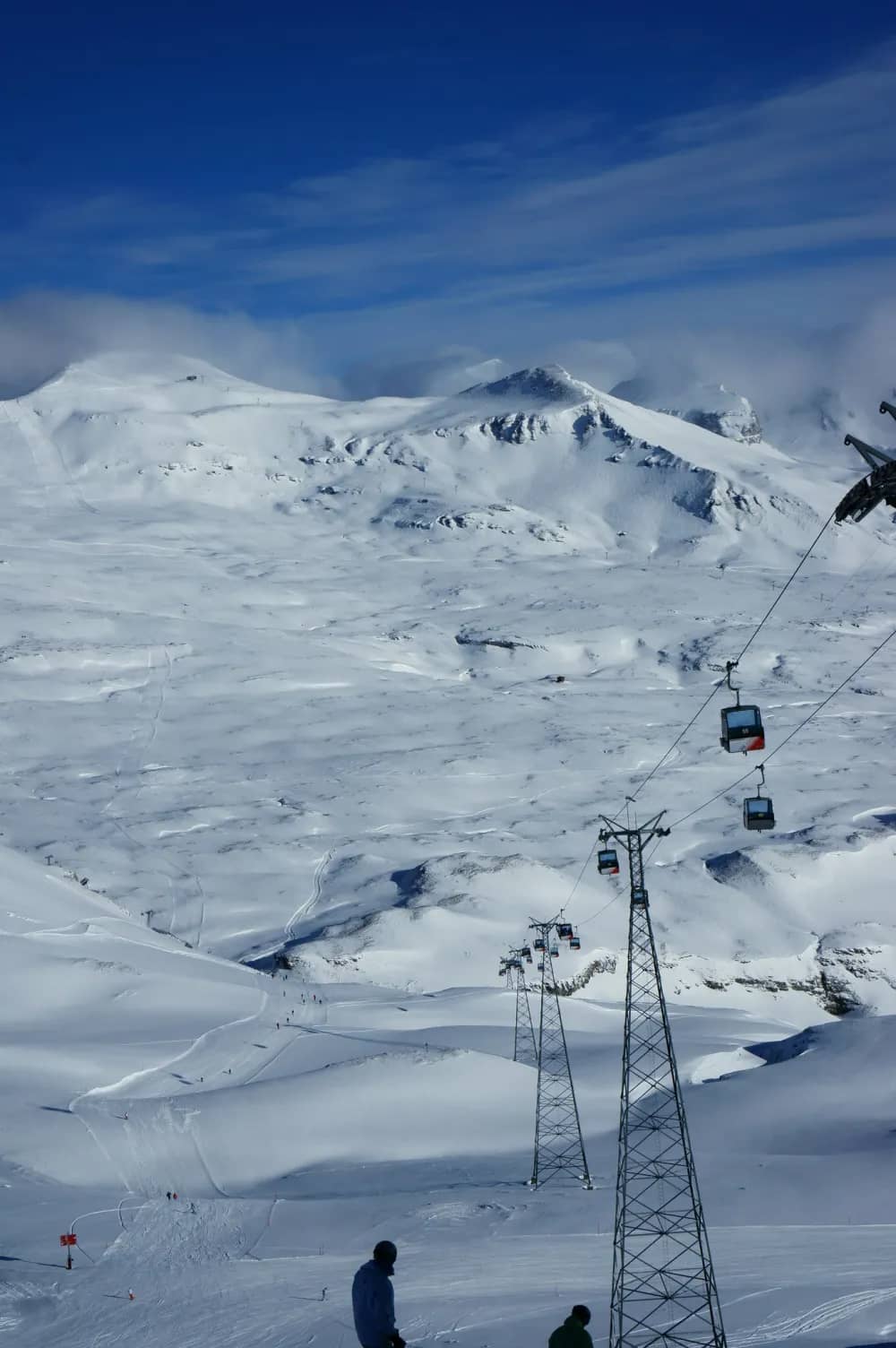
Winter in the Glarnerland offers compact, family-friendly ski areas in Elm and Braunwald, plus the small Schilt ski lift above Mollis and several village ski lifts. Cross-country skiing is well developed with the panoramic trails of Braunwald, the Töditritt, Tierfed, Engi-Matt and Elm loops, and the Urnerboden. Sledging is a highlight with prepared runs in Braunwald, Elm, the Weissenberge and the Kerenzerberg, including illuminated evening sledging. Winter hiking, snowshoe trails and ski touring round out the offer.
Culture and entertainment
Culture in the Glarnerland is rooted in living tradition and industrial heritage. The open-air Landsgemeinde assembly on the first Sunday of May in Glarus is the region's most distinctive event, a direct-democracy gathering that doubles as a folk festival. Old factories and mills have been turned into stages and museums, with industrial-culture tours, museums and exhibitions, and customs such as the Näfelser Fahrt and the Alpabzug cattle descents. The town of Glarus hosts museums, galleries and events such as the Sound of Glarus music festival.